
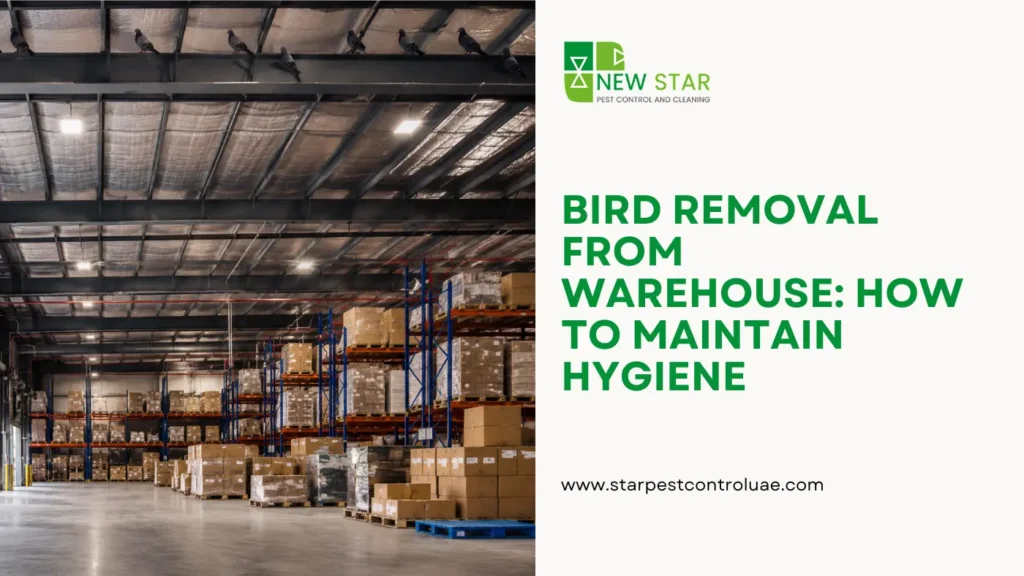
Bird infestations are a common but often underestimated risk for warehouses and industrial facilities across the UAE. Open loading bays, high ceilings, and stored goods create ideal conditions for pigeons, sparrows, and mynas to nest and multiply, and once a colony establishes itself, the consequences extend well beyond a simple cleanup. This article examines why bird removal from warehouse environments should be treated as a priority, the risks associated with delayed action, and the process a professional removal service typically follows.
Why Warehouses Attract Birds
Warehouses provide shelter from weather, elevated perches away from predators, and consistent access to food sources such as spilled grain or packaging debris. These conditions make large storage facilities particularly attractive to nesting bird species. Bird populations also grow quickly once established. A single breeding pair can produce multiple broods within a year, meaning a minor presence can escalate into a significant infestation within a short period if left unaddressed.
The Business Risks of Ignoring Bird Activity
Bird infestations are frequently dismissed as a minor operational issue, but the risks are substantial:
- Contaminated stock: Droppings on packaging or exposed goods can render entire batches unsellable, particularly in food, pharmaceutical, or FMCG storage.
- Health hazards: Bird droppings carry pathogens associated with diseases such as histoplasmosis and salmonellosis, posing a risk to warehouse staff.
- Structural damage: Nesting material and acidic droppings can corrode roofing, HVAC systems, and metal structural components over time.
- Fire and safety risks: Nests built near electrical wiring or machinery present a genuine fire hazard.
- Reputational damage: Evidence of bird activity near stored goods, if observed by a client or inspector, can undermine long-term business credibility.
Addressing the issue early is significantly more cost-effective than managing its downstream consequences.
Identifying Signs of a Bird Infestation
Warehouse managers often underestimate the scale of an infestation until it becomes well established. Common indicators include:
- Droppings accumulating on floors, racks, or machinery
- Feathers near entry points or rafters
- Nesting materials such as twigs, straw, or fabric scraps in beams or ledges
- Persistent bird activity or noise, particularly in early morning hours
- Birds entering and exiting through open dock doors
- A persistent, ammonia-like odor in poorly ventilated areas
If two or more of these signs are present, professional assessment is recommended rather than relying on temporary measures such as netting or noise deterrents.
The Professional Bird Removal Process
Effective bird removal requires a structured, multi-stage approach rather than a single intervention.
1. Site Inspection and Assessment
Technicians assess entry points, nesting locations, bird species, and the extent of contamination. This step is important because different species respond to different control methods.
2. Safe and Humane Removal
Depending on the severity of the infestation and applicable regulations, removal may involve netting, exclusion barriers, or humane trapping. Reputable service providers prioritise methods that minimise harm to the birds while resolving the underlying issue.
3. Cleaning and Sanitization
This step is frequently overlooked in DIY attempts. Droppings and nesting debris require proper disinfection, as contaminated areas continue to pose health risks even after birds have been removed.
4. Exclusion and Prevention
Long-term results depend on preventing birds from returning. Common measures include:
- Installing bird spikes or netting on ledges and beams
- Sealing gaps in roofing or wall panels
- Fitting anti-perching wires on exposed structures
- Adjusting dock door management to limit open-air exposure
5. Ongoing Monitoring
A single service visit rarely resolves long-term bird activity. Scheduled follow-up inspections help identify new nesting attempts before they develop into established colonies.
Best Practices for Long-Term Prevention
- Keep loading dock doors closed when not in active use.
- Store food-related waste in sealed bins rather than open skips near the facility.
- Inspect roof lines and ventilation gaps periodically, as these are common entry points.
- Avoid feeding stray animals near the property, as this can attract larger bird populations.
- Combine visual deterrents with physical barriers, since birds can adapt quickly to a single method.
- Train warehouse staff to report early signs of bird activity rather than overlooking them.
Regional Considerations Across the UAE
Bird behavior and infestation patterns vary by emirate. Facilities requiring pest control Dubai services near ports or industrial zones often experience different bird pressure than those located further inland, where flocks tend to concentrate around cargo areas and open storage yards.
Facilities requiring pest control Sharjah services, particularly in industrial zones such as Sajaa or Al Sajaa, often see elevated bird activity due to the density of neighboring warehouses. Regardless of location, the underlying principle stays the same. Bird pressure is shaped by proximity to water, food sources, and the density of surrounding industrial buildings, and an effective removal plan needs to account for these local factors rather than applying a generic approach.
Frequently Asked Questions
1. How long does a full bird removal process take?
Most warehouse projects are completed within one to three days, depending on the size of the facility and the extent of the infestation. Prevention installation may extend this timeline slightly.
2. Is it safe to clean bird droppings without professional assistance?
This is not recommended. Dried droppings can release airborne pathogens when disturbed, requiring appropriate protective equipment and ventilation protocols.
3. Will bird spikes or netting damage the building structure?
No. When installed correctly by trained technicians, these deterrents are designed to sit flush against surfaces without causing structural damage.
4. How often should warehouses schedule bird prevention inspections?
Quarterly inspections are generally recommended, though facilities located near ports, food storage zones, or agricultural areas may require more frequent visits.
5. Are humane removal methods effective over the long term?
Yes. When combined with exclusion measures such as netting and sealed entry points, humane removal methods provide durable results without unnecessary harm to birds.
Conclusion
Maintaining a bird-free warehouse is essential for protecting inventory, safeguarding staff health, and preserving client trust. Bird infestations rarely resolve on their own, and delayed intervention typically increases both the scope and cost of remediation. Early signs of nesting activity should be addressed promptly through professional inspection and removal services, minimizing long-term risk to inventory, personnel, and business reputation.
Protect Your Warehouse with New Star Pest Control Dubai
Bird infestations become more difficult and costly to manage over time. New Star Pest Control Dubai offers professional bird removal, sanitization, and long-term prevention solutions tailored to warehouses and industrial facilities. Contact the team today to arrange a professional inspection and safeguard your inventory, staff, and business reputation.