
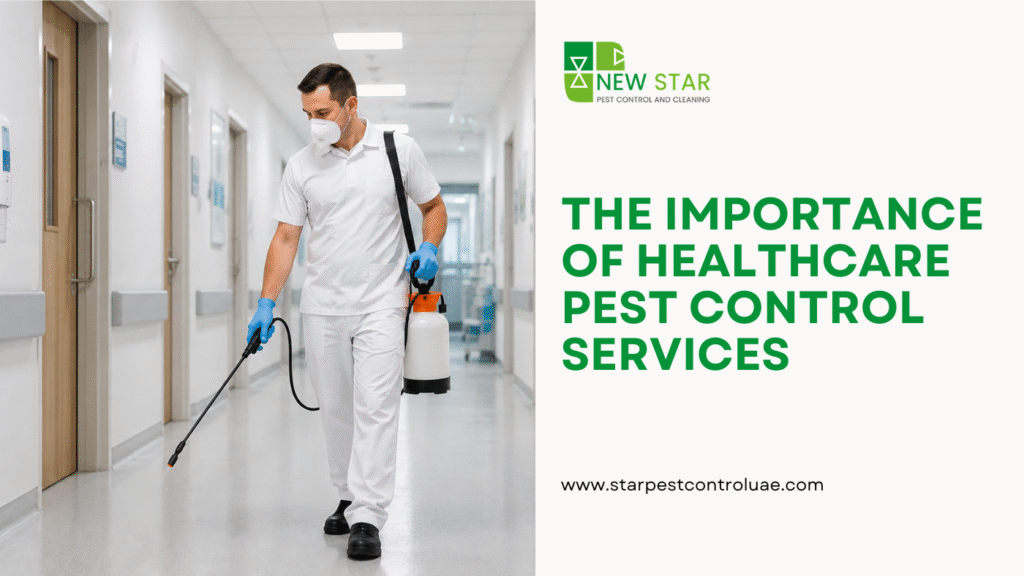
Picture this: a patient recovering from surgery notices a cockroach crawling near their IV stand. The image alone is enough to destroy trust in an entire facility. But the real danger goes far beyond optics. In healthcare environments, pests are not merely a nuisance. They are a direct threat to patient safety, infection control, and regulatory compliance.
Hospitals and clinics operate under an entirely different set of stakes than restaurants or offices. A pest infestation in a medical facility can contaminate sterile surfaces, spread pathogens, trigger allergic reactions in vulnerable patients, and result in serious legal and reputational consequences. This is precisely why healthcare pest control services are not optional. They are a non-negotiable part of facility management.
What Makes Healthcare Facilities Especially Vulnerable to Pests?
Most people assume that hospitals, being clean and regulated environments, are naturally resistant to pest problems. The reality is quite the opposite. Healthcare facilities bring together several conditions that pests absolutely love:
- Constant food supply from cafeterias, patient meals, and waste bins
- Warmth and humidity from laundry areas, utility rooms, and plumbing systems
- High foot traffic from patients, staff, visitors, and suppliers moving in and out around the clock
- Complex infrastructure with gaps, false ceilings, wall cavities, and storage rooms that are rarely disturbed
Add to this the presence of immunocompromised patients, newborns, elderly individuals, and post-surgical cases, and you have an environment where even the smallest infestation can escalate into a serious health crisis very quickly.
The Pests Most Commonly Found in Medical Settings
Understanding which pests pose the greatest risk in healthcare settings helps facilities take targeted preventive action.
Cockroaches
Cockroach control is arguably the most critical challenge in any healthcare setting. Cockroaches carry over 30 types of bacteria, including Salmonella and E. coli. They contaminate surfaces, equipment, and food with their droppings, shed skin, and saliva. In clinical environments, this can directly compromise patient care and infection control protocols.
Rodents
Rodent control is equally serious. Rats and mice chew through electrical wiring, contaminate supplies, and carry diseases like leptospirosis and hantavirus. In a hospital, a rodent gnawing through a cable in the wrong place can disable critical equipment at the worst possible moment.
Flies and Mosquitoes
Insect control covering flies and mosquitoes is vital, especially in regions with tropical climates. Flies land on wounds, waste, and sterile trays indiscriminately. Mosquitoes in waiting areas or wards are not just annoying. They are vectors for dengue, malaria, and other diseases that can infect already vulnerable patients.
Ants and Storage Pests
Ants commonly invade pharmaceutical storage areas and pantries. Certain storage beetles and moths target linen rooms and supply closets. These secondary pests are often overlooked until the damage is done.
Common Mistakes Healthcare Facilities Make with Pest Management
Even well-run hospitals fall into avoidable traps when it comes to pest control. Here are the most frequent ones:
- Reactive approach only: Calling for pest control after a sighting rather than maintaining a proactive, scheduled programme.
- Using generic commercial pest control: Standard pest control methods designed for homes or offices may involve chemicals that are unsafe near patients, medical equipment, or sterile environments.
- Neglecting high-risk zones: Kitchens and waste areas get attention, but utility rooms, linen stores, false ceilings, and loading bays are often forgotten.
- Inconsistent documentation: Regulatory bodies require pest control logs. Missing or incomplete records can result in failed audits.
- Ignoring staff training: Pest control is not only the exterminator’s job. Housekeeping, kitchen staff, and facility managers all play a role in early detection and prevention.
What Professional Healthcare Pest Control Services Actually Involve
This is where specialist healthcare pest control services differ significantly from standard commercial pest control. A proper healthcare pest management programme includes the following:
- Integrated Pest Management (IPM): A science-based approach that combines monitoring, prevention, and targeted treatment rather than blanket chemical application
- Low-toxicity and odourless treatments: Especially important in wards, ICUs, and operating theatres where chemical residues can harm patients or compromise air quality
- Scheduled inspections and documentation: Regular visits with written reports that satisfy health authority and accreditation requirements
- Staff briefing and coordination: Treatments are planned around patient schedules and sensitive areas to minimise disruption
- Specialised baiting and trapping systems: Discreet, safe mechanisms placed in wall voids, under equipment, and in service corridors
The difference in approach is significant, and it is why choosing a pest control company with genuine healthcare experience matters enormously.
Regional Relevance: Why Location Matters in Healthcare Pest Control
The climate and urban density of the UAE make pest management in healthcare settings especially critical year-round. The heat and humidity accelerate pest breeding cycles, meaning infestations can establish quickly if left unchecked.
For facilities operating in and around Dubai, working with a reliable provider offering pest control Dubai services that understand local regulations and environmental conditions is essential. Facilities in the northern emirates equally benefit from dedicated local expertise. Pest control Ajman and pest control Sharjah providers familiar with healthcare compliance standards in those jurisdictions can help facilities stay ahead of inspections and maintain ongoing certification.
Benefits of a Dedicated Healthcare Pest Management Program
When facilities invest in professional healthcare pest control services, the returns go well beyond a pest-free environment.
- Patient safety and trust: Clean, pest-free environments directly support better patient outcomes and confidence in the facility
- Regulatory compliance: Health authority inspections, JCIA, and other accreditation bodies require documented pest control programs
- Staff morale: Healthcare workers perform better in environments that feel safe and well-maintained
- Cost savings: Preventing infestations is significantly cheaper than emergency extermination, replacing contaminated stock, or managing the PR fallout from a publicised incident
- Reduced infection risk: Fewer pest vectors means fewer pathways for hospital-acquired infections (HAIs)
Frequently Asked Questions
How often should a hospital schedule pest control inspections?
Most healthcare facilities benefit from monthly inspections at minimum, with high-risk zones like kitchens and waste areas monitored weekly. The frequency should be defined in a formal pest management plan.
Are the chemicals used in healthcare pest control safe for patients?
Reputable providers use hospital-grade, low-toxicity treatments that are safe for use around patients when applied correctly. Always confirm that your provider follows healthcare-specific protocols and can provide safety data sheets for all products used.
What areas of a hospital are most at risk for pest activity?
Kitchens, cafeterias, waste storage areas, loading docks, linen rooms, and utility corridors are the most common hotspots. ICUs and operating theatres, while not typical entry points, require strict protective measures given the vulnerability of patients there.
Can pest control treatments be carried out without disrupting patient care?
Yes. Experienced healthcare pest control providers coordinate treatment schedules with facility management to ensure treatments happen during low-activity periods or in sections that can be temporarily vacated without disrupting critical care.
What documentation should a pest control provider supply to a healthcare facility?
Providers should supply treatment reports after every visit, a site-specific pest management plan, product safety data sheets, and a pest activity log that can be presented during regulatory audits.
Protect Your Facility with New Star Pest Control
Pest control in healthcare is not about aesthetics. It is about protecting lives. Every precaution taken to keep pests out of a hospital or clinic is a direct investment in patient welfare, staff wellbeing, and institutional credibility. The good news is that with the right partner and a proactive pest management plan, healthcare facilities can maintain consistently high standards year-round. Whether you manage a private clinic in Dubai or a large multi-speciality hospital across the region, the message is the same: do not wait for a sighting to act. Build protection into your facility management from day one, and make pest control a standard of care, not an afterthought.
Don’t let pests put your patients or reputation at risk. New Star Pest Control specialises in healthcare-grade pest management across Dubai, Sharjah, and Ajman. Contact 0588672492 to book a service and protect your space.