
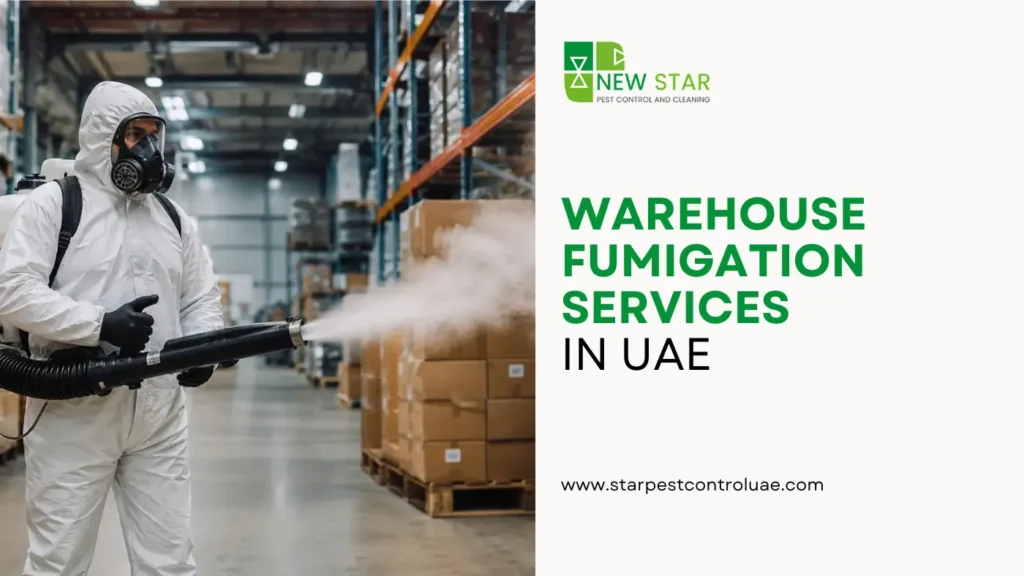
If you manage a warehouse, you already know how much is riding on what’s inside those walls. Inventory worth thousands, sometimes millions, of dirhams. Products that need to reach customers in perfect condition. A reputation built over years that can crumble overnight. Now imagine opening a shipment to find rodent droppings, insect damage, or contaminated goods. It happens more often than people think, and it almost always traces back to one thing: pest control that was either ignored or done too late. That’s why warehouse fumigation services are not a luxury. They’re a core part of running a responsible, compliant storage facility.
What Makes Warehouses So Vulnerable to Pests?
Warehouses are, in many ways, a paradise for pests. Large, often dark, with plenty of hiding spots, constant movement of goods, and irregular cleaning schedules. Add the UAE climate into the equation, and you have warm temperatures that keep pest populations active almost year-round.
Rodents squeeze through gaps you’d never think twice about. Cockroaches thrive in damp corners near plumbing. Stored product insects like weevils and beetles can infest grain, flour, spices, and dry goods silently for weeks before anyone notices. The problem isn’t always visible until real damage has already been done.
Why Routine Fumigation Is Non-Negotiable
A lot of facility managers wait for a visible infestation before calling in professionals. By that point, you’re managing a crisis, not preventing one. Professional warehouse fumigation services work differently. They treat the entire facility systematically, using approved fumigants that penetrate every corner, shelf gap, and wall cavity where pests hide and breed. This isn’t a surface spray. It’s a complete elimination treatment that resets the facility to a pest-free baseline.
Here’s what regular fumigation actually protects:
- Product integrity: Pests destroy packaging, contaminate food goods, and damage raw materials.
- Regulatory compliance: Many industries, especially food storage and pharmaceuticals, are subject to strict pest control standards.
- Staff health and safety: Cockroaches, rodents, and flies carry disease. A pest-free warehouse is a healthier workplace.
- Business reputation: One complaint from a client about pest-damaged goods can cost you a contract that took years to build.
Choosing the Right Fumigation Company in Dubai
Not every pest control provider is equipped to handle a large commercial facility. When you’re looking for a fumigation company Dubai clients and regulators trust, there are a few things worth checking before you sign anything.
Licensing and certifications matter: In the UAE, pest control companies must hold approvals from the relevant municipal authorities. Always ask for documentation before allowing any team onto your premises.
Experience with commercial and industrial sites: Treating a warehouse is very different from treating a home or office. The chemicals, safety protocols, ventilation requirements, and logistical planning involved are far more complex. You want a team that has done this hundreds of times, not one learning on the job at your expense.
Customised treatment plans: Avoid any provider that offers a one-size-fits-all approach. The right company will assess your facility, identify specific risks, and design a treatment schedule built around your operations, including working around your receiving and dispatch schedules to minimise downtime.
Pest Control in High-Risk Zones: Dubai and Sharjah
Facilities operating in urban industrial areas face unique challenges. If your operations are based in or near these cities, working with a professional pest control Dubai team gives you access to providers who understand local pest species, seasonal patterns, and municipal compliance requirements.
Similarly, warehouses in the northern emirates benefit from pest control Sharjah specialists who are familiar with the specific challenges of facilities located near ports, logistics hubs, and food processing zones. Pest pressure in these areas can be significantly higher than in quieter commercial zones, making consistent treatment schedules even more critical.
The Rodent Problem: Bigger Than You Think
Of all the pests that invade warehouses, rodents cause the most damage. A single rat can chew through electrical wiring, wooden pallets, and product packaging in a matter of days. Multiply that across a colony, and the losses escalate fast.
Rodent pest control in a warehouse setting isn’t just about laying traps. It requires a full inspection to identify entry points, nesting sites, and feeding zones, followed by targeted baiting, exclusion work, and ongoing monitoring. A good provider will also advise on structural fixes, like sealing gaps under roller doors and reinforcing wall penetrations, that prevent re-entry after treatment.
Common Mistakes Warehouse Managers Make
Even experienced facility managers fall into a few predictable traps when it comes to pest management:
- Treating it as reactive, not preventive: Waiting for an infestation to be visible is almost always more expensive than regular scheduled treatments.
- Going with the cheapest option: Cut-rate pest control often means untrained staff, unapproved chemicals, or surface-level treatments that don’t address the root problem.
- Skipping documentation: In regulated industries, you need records of every treatment. Make sure your provider issues detailed service reports each time.
- Ignoring exterior zones: Pests don’t start inside. They enter from outside. Loading docks, drainage areas, surrounding vegetation, and perimeter walls all need attention.
FAQ: Warehouse Fumigation Services
How often should a warehouse be fumigated?
For most storage facilities, a quarterly fumigation schedule combined with monthly monitoring visits is a solid baseline. High-risk facilities, such as food storage or pharmaceutical warehouses, may require more frequent treatments.
Is fumigation safe for products stored in the warehouse?
Professional teams follow strict safety protocols, including proper ventilation and approved fumigants. Sensitive goods are typically covered or temporarily moved. Your service provider should advise you on any precautions specific to your inventory.
How long does a warehouse fumigation take?
This depends on the size and type of facility. A standard treatment can take anywhere from a few hours to a full day, with a clearance period afterward before staff re-enter the space.
Will one fumigation solve the problem permanently?
No single treatment guarantees permanent results. Pests re-enter from outside, and conditions change. Ongoing warehouse fumigation services on a scheduled basis are the only way to maintain consistent protection.
Do I need to vacate the warehouse during fumigation?
Yes. All personnel must leave the facility during treatment and only return after the fumigation team has confirmed it is safe to re-enter.
Protect Your Warehouse with New Star Pest Control
Pests don’t wait for a convenient time to show up. They move in quietly, cause damage fast, and leave you dealing with client complaints, compliance issues, and financial losses that could have been avoided entirely. At New Star Pest Control, we specialise in professional pest management solutions for warehouses, storage facilities, and commercial properties across the UAE. From scheduled fumigation programmes to emergency treatments, our licensed team brings the expertise, approved chemicals, and attention to detail your facility deserves.
Don’t wait for a pest problem to disrupt your operations. Get in touch with us today for a free inspection and a customised treatment plan built around your warehouse’s specific needs.
Call us at 0588672492 now to book your consultation.
Visit our website to learn more about our commercial pest control services.