
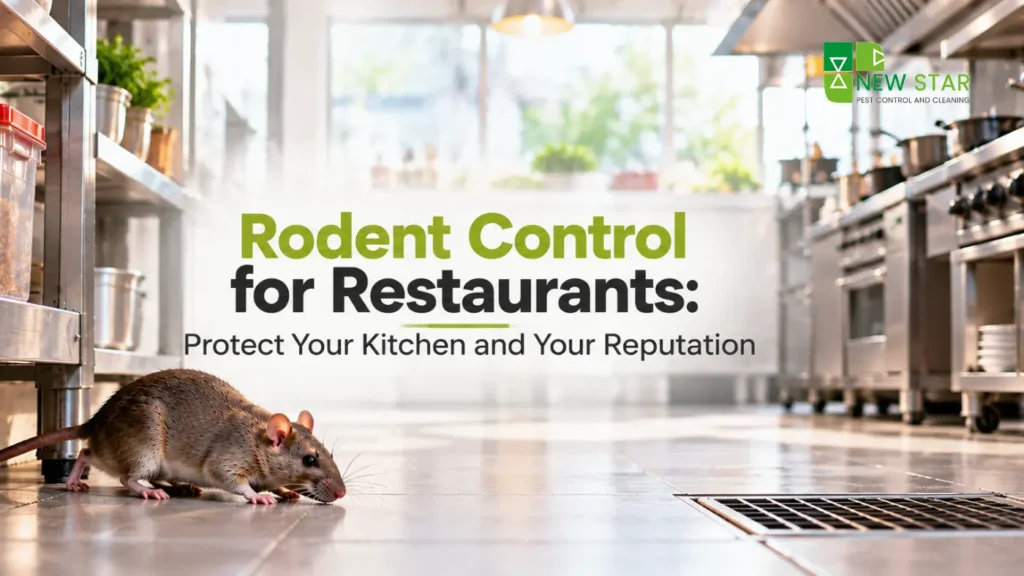
It takes one customer, one phone, and about ten seconds. A mouse darts across the dining floor, someone films it, and by closing time the video has been shared hundreds of times. Years of hard work, gone in an evening. Restaurant owners know that feeling is a nightmare, but few realize how preventable it is. Rodents do not appear by chance. They follow food, water, and shelter, and a busy kitchen offers all three. The good news is that you can take those things away from them.
Why Restaurants Attract Rats and Mice
A restaurant is basically a buffet with a roof. Think about what a typical kitchen offers after hours:
- Crumbs under fryers, stoves, and prep tables
- Sacks of rice, flour, and grains stored in reach
- Grease traps, floor drains, and damp corners
- Waste bins that are full or poorly sealed
- Deliveries arriving through doors that stay open
Mice can squeeze through a gap the width of a pencil. Rats need only a hole the size of a coin. Once inside, they breed fast, and a small problem becomes a serious one within weeks.
What a Rodent Problem Really Costs You
Most owners think of the cost in terms of lost food. The real damage runs deeper.
Health and safety risks. Rodents carry bacteria and spread contamination through droppings, urine, and gnawed packaging. One contaminated surface can lead to a food safety incident.
Fines and closure. Municipal inspectors take hygiene seriously. A failed inspection can mean penalties, a forced closure, or a damaged grading record.
Property damage. Rats chew through wiring, insulation, and pipes. Electrical faults caused by gnawing are a known fire risk.
Lost trust. A loyal customer who sees a rodent rarely comes back, and they tell friends why.
Early Warning Signs You Should Never Ignore
Rodents are secretive, so you usually spot the evidence before the animal. Walk your premises with fresh eyes and look for:
- Dark, rice-shaped droppings along walls, shelves, and storage areas
- Greasy rub marks along baseboards and pipes
- Gnawed packaging, wood, or cables
- Scratching or scurrying sounds in ceilings and walls at night
- Shredded paper or cardboard used as nesting material
- A stale, musty smell in storage rooms
If you notice even one of these, act the same day. Waiting a week gives them time to multiply.
A Practical Plan for Rodent Control for Restaurants
Effective prevention is built in layers. No single trap or product will protect you on its own.
Seal Every Entry Point
Inspect doors, vents, pipe openings, and gaps around ducts. Fit door sweeps, use steel wool or metal mesh for small holes, and keep back doors closed unless a delivery is actively moving through them.
Make Sanitation a Daily Habit
Clean under and behind equipment every night. Empty bins before closing and wash them regularly. Wipe down spills right away, and do not let grease build up near drains.
Store Food the Right Way
Keep dry goods in sealed, hard plastic or metal containers. Store everything at least 15 cm off the floor and away from walls so you can see and clean behind it.
Set Up Monitoring
Place monitoring stations along walls and in dark corners, and check them on a schedule. Early detection lets you act before an infestation takes hold.
When It Is Time to Call a Professional
Traps from a hardware store may catch a stray mouse, but they rarely deal with the nest. A restaurant dealing with an active infestation needs a trained team that finds entry points, identifies the species, and treats the source. A reliable service for rodent pest removal will inspect your property, remove the animals safely, and seal the routes they used to get in.
Professionals also build a follow-up schedule, which matters just as much as the first visit. Consistent Rodent control programs keep your numbers down month after month, and they give you the documentation inspectors like to see.
Common Mistakes Restaurant Owners Make
Even careful operators slip up. Watch for these:
- Using poison alone. Rodents can die inside walls, creating odor and attracting flies.
- Treating only the kitchen. Storage rooms, staff areas, and outdoor bins matter too.
- Ignoring the exterior. Overgrown plants, clutter, and open waste bins draw rodents toward your building.
- Waiting for proof. By the time you see a rat in daylight, the colony is usually large.
- Skipping records. Without service logs, you cannot show inspectors what you have done.
- Hiring on price alone. Cheap, rushed treatments often miss the real source.
Expert Tips From the Field
- Train every staff member to report droppings or damage immediately, with no blame attached.
- Check incoming deliveries for gnawed boxes before they enter your storage room.
- Keep outdoor waste areas far from the entrance and clean them often.
- Trim vegetation so it does not touch the building.
- Schedule inspections around slower business hours so your team can answer questions without rushing.
The Benefits of Staying Ahead of Rodents
A proactive approach pays off in ways that go beyond avoiding a bad day:
- Cleaner, safer food handling for your customers and your team
- Smoother inspections with clear records and confident staff
- Lower repair bills from fewer chewed cables and damaged stock
- A stronger reputation that brings repeat customers
- Peace of mind that lets you focus on cooking and service
Local Support Across the Emirates
Rodent pressure varies by location, so it helps to work with a team that knows your area.
Restaurants and cafes in the capital of commerce rely on pest control in Dubai providers who understand dense dining districts, shared buildings, and busy delivery routes.
In Sharjah, food businesses near older buildings and busy markets often search for dependable pest control Sharjah support to handle shared walls and drainage issues.
For owners in a growing coastal city, pest control Ajman services help address humidity and waste challenges that draw rodents toward kitchens.
Up north, hotels, cafes, and restaurants looking for pest control Ras Al Khaimah can get plans suited to the mix of farmland, coast, and desert that surrounds the city.
Frequently Asked Questions
Is professional rodent control for restaurants required in the UAE?
Food establishments are expected to maintain strict hygiene standards, and municipal authorities generally require a licensed pest control service. Check the exact requirements with your local municipality.
How often should a restaurant schedule pest inspections?
Most food businesses benefit from a monthly visit. High-risk sites, such as those near waste areas or construction, may need more frequent checks.
Are the treatments safe around food?
Reputable providers use methods designed for food environments, including sealed bait stations and targeted placement away from food surfaces. Always confirm the products being used.
How quickly can rodents be removed?
Light activity can often be controlled within a couple of weeks. Larger infestations take longer because the team must treat the nest and seal entry points.
What should I do while waiting for the technician?
Clean thoroughly, store all food in sealed containers, remove waste, and avoid scattering over-the-counter poison, which can interfere with the professional plan.
The Final Word
A rodent problem rarely announces itself, and it rarely stays small. The restaurants that avoid trouble are the ones that treat prevention as part of daily operations: sealed gaps, clean floors, watchful staff, and a professional partner on call. Your kitchen is your livelihood. Protect it before a customer’s phone does the talking.
Keep Your Restaurant Rodent Free With Star Pest Control
Seen droppings, heard noises, or simply want peace of mind before your next inspection? New Star Pest Control offers thorough inspections, safe treatments, and ongoing protection plans built for restaurants and food businesses. Contact our team today at to book your free site inspection.