
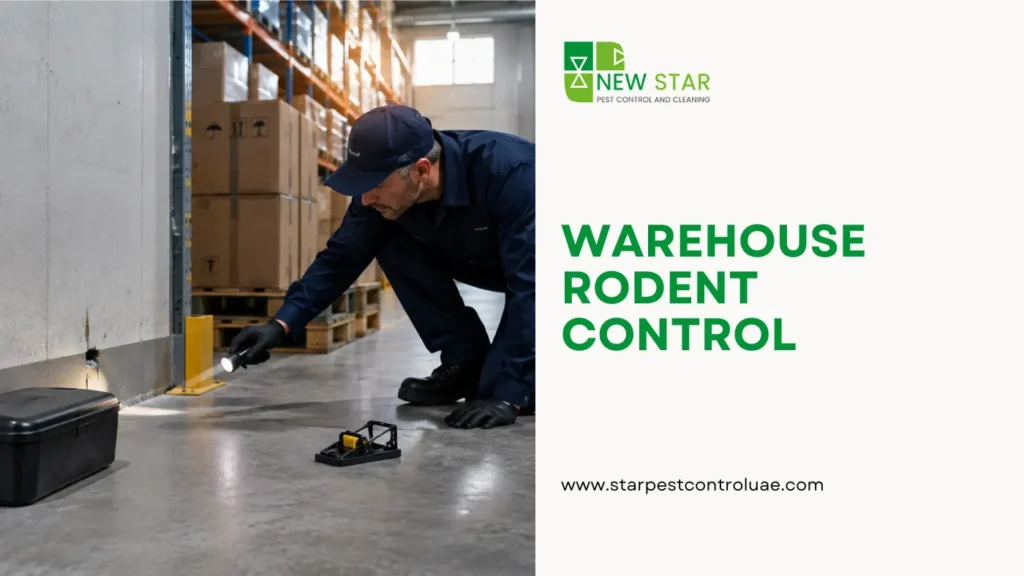
There’s a specific kind of panic that hits when a warehouse supervisor spots a rat scurrying across a security feed at midnight. Suddenly, every box on every shelf feels suspect. Clients start asking questions. Compliance teams start circling. And what began as a “we’ll deal with it next week” problem turns into a full-blown operational headache overnight. This is the reality for facility owners who treat warehouse rodent control as an afterthought rather than a standing priority.
Rodents are opportunists. They don’t need much, just a gap to squeeze through, a quiet corner to nest in, and something worth chewing on. Warehouses, unfortunately, tend to offer all three in abundance. This guide walks through why that happens, how to catch the signs early, and what actually works to keep your facility clean, safe, and rodent-free long term.
Why Rodents Love Warehouses So Much
Picture the environment from a rat’s point of view: tall stacks of undisturbed pallets, dim lighting, minimal foot traffic in certain aisles, and loading docks that stay propped open for hours at a time. It’s basically a five-star hideout.
Add in the constant flow of incoming shipments, cardboard, and packaging materials, and you’ve got a facility that’s practically designed to attract unwanted guests. This is especially true in busy commercial hubs, where warehouses sit shoulder to shoulder and rodents move freely between properties looking for the next easy opportunity.
What’s Actually at Stake
Too many facility managers treat a rodent sighting as a minor inconvenience. It rarely stays that way. Here’s what tends to follow:
- Ruined stock. Chewed packaging, contaminated goods, and damaged materials add up fast, especially with high-value inventory.
- Electrical risks. Rodents gnaw on wiring constantly, and frayed cables in a warehouse full of flammable packaging is a serious fire hazard.
- Failed inspections. Droppings or nesting evidence during a client audit or health inspection can cost contracts and certifications.
- Long-term infestations. A pair of rodents can multiply into dozens within a matter of months if left unchecked.
Once you see the bigger picture, it becomes obvious why warehouse rodent control deserves a proper strategy, not a reactive scramble.
Signs You’re Already Dealing With a Problem
Rodents are cautious creatures, but they’re not invisible. If you know what to look for, they’ll give themselves away.
Droppings: Small, dark, rice-shaped droppings near storage racks, corners, or food-adjacent areas are usually the clearest sign of activity.
Gnaw marks: Chewed cardboard, cables, or wooden pallets point to an active presence, not just a one-time visitor.
Strange odors: A persistent musky smell in one section of the warehouse, particularly near walls, often means a nest has already formed nearby.
Grease trails: Rodents travel the same paths repeatedly, leaving faint dark smudges along walls and skirting boards from their fur brushing against surfaces.
Building a Real Prevention Strategy
The facilities that stay rodent-free aren’t lucky. They’re consistent. Here’s what that looks like in practice.
- Close off entry points. Inspect for gaps around doors, vents, pipework, and foundations. Rodents can squeeze through openings smaller than most people expect, so don’t dismiss tiny cracks.
- Keep waste under control. Bins should be sealed and emptied regularly, and packaging waste shouldn’t be left piling up near loading zones overnight.
- Store smart. Elevate inventory off the floor and keep it away from walls. This removes hiding spots and makes routine checks far easier.
- Maintain the exterior. Overgrown bushes, clutter, or stagnant water near the building perimeter give rodents cover to approach unnoticed.
- Book routine professional inspections. Even the most careful in-house team will miss things a trained specialist catches immediately.
When DIY Traps Aren’t Enough
Setting a few traps might handle an isolated mouse in a break room, but rodent pest control for a full-scale warehouse is an entirely different challenge. You’re dealing with a much larger space, multiple access points, and operations that often can’t afford to pause for treatment.
This is where trained professionals make the real difference. Facilities operating under pest control Dubai standards typically benefit from integrated treatment plans that combine inspection, exclusion, targeted baiting, and ongoing monitoring, built around how each warehouse actually functions day to day.
Finding a Partner You Can Actually Trust
Not every provider understands commercial-scale facilities the way they should. When you’re evaluating options for rodent pest removal, look for a few non-negotiables:
- Proven experience with industrial or logistics facilities, not just homes.
- Safe, code-compliant treatment methods.
- Clear reporting after every visit, including bait activity and next steps.
- Willingness to work around your operating hours, not against them.
- A genuine follow-up plan rather than a single visit and silence.
The right partner treats your warehouse as an ongoing relationship, checking in, adjusting strategy, and staying ahead of new risks as they appear.
Regional Differences Worth Knowing
Not every warehouse faces the same pressures. Facilities relying on pest control Sharjah providers often deal with tightly packed industrial zones, where rodent activity spreads quickly between neighboring properties.
Warehouses using pest control Ajman services may see different seasonal patterns depending on nearby agricultural or coastal influences. A generic treatment plan rarely accounts for these differences, which is why local knowledge matters more than people expect.
Making Prevention Part of Everyday Culture
The warehouses that stay rodent-free year after year usually share one thing in common: their teams are trained to notice and report problems early. Housekeeping stays consistent. Inspections happen on a set schedule, not just after something goes wrong.
Bring rodent awareness into regular safety briefings. Encourage staff to speak up about anything odd, a strange smell, a chewed corner, unexplained droppings. Catching it early is always cheaper and faster than dealing with a full infestation later.
Frequently Asked Questions
How often should warehouses be inspected for rodents?
Monthly inspections work well for most facilities, though warehouses storing food or organic goods may need more frequent checks.
Can rodents actually start fires?
Yes. Their constant gnawing often targets electrical wiring, and exposed wires in a storage facility full of packaging materials create a real fire risk.
What draws rodents into a warehouse in the first place?
Shelter, warmth, undisturbed corners, and any accessible food source. Even leftover packaging can be enough to attract them.
Is DIY rodent control realistic for a large facility?
It can help with small, isolated issues, but larger warehouses usually need professional treatment given the scale and number of entry points involved.
How fast can a small rodent problem turn into a big one?
Faster than most people expect. A single breeding pair can multiply into dozens of rodents within just a few months.
Final Thoughts
Rodents are consistent, resourceful, and quick to take advantage of any opening you leave them. Strong warehouse rodent control isn’t about panicking after a sighting. It’s about steady habits, the right partnerships, and a team that knows what to watch for before problems start.
If your facility needs a reliable, experienced pest control company to handle rodent issues before they escalate, New Star Pest Control Dubai is ready to help. From inspection to long-term prevention, our team builds treatment plans around how your warehouse actually operates, so you can focus on business, not bait stations. Call our expert team on 0588672492 and get in touch today for a facility assessment.